
Nutrition & Whole-Body Care · Inflammation
The Inflammation Diet
What you eat has a real influence on the joint pain, stiffness, and swelling that inflammation can bring — and small changes add up.
Inflammation is your body’s natural defense, but when it lingers it can wear on your joints and health. The inflammation diet is a simple shift toward foods that help your body stay balanced. For our Cranberry Township neighbors, it’s one part of a whole-body plan — paired with movement, rest, and hands-on care at Zock Family Chiropractic.
By Dr. Lauren Helf, DC · Updated August 2026
We’ve talked about everyday ways to calm inflammation before. Inflammation is part of your body’s natural defense — when a cut turns red and swells, that’s healing getting underway. But sometimes that response takes it too far and stays switched on longer than it should. Over time, that lingering inflammation is associated with real health problems, including heart disease, diabetes, and arthritis. Here’s something a lot of my Cranberry Township patients don’t realize: what’s on your plate has a real influence on how much inflammation your body carries. If joint pain, stiffness, and swelling are wearing on you, the inflammation diet may be worth a closer look.
What Causes Inflammation in the First Place?
Inflammation is your body’s reaction to an injury or infection. It helps to keep the two separate in your mind: think of it like a square and a rectangle. A square is always a rectangle, but a rectangle isn’t always a square. In the same way, an infection can cause inflammation, but inflammation doesn’t always mean there’s an infection behind it.
When your body mounts an inflammatory response, a few things happen at once. Small arteries widen to bring more blood to the area, capillaries let fluid and proteins move more freely between the blood and your cells, and the body sends in white blood cells to clean up anything that shouldn’t be there. That’s a good, protective process in the short term. The trouble starts when it doesn’t switch off.
What Does Acute Inflammation Feel Like?
There are two kinds of inflammation — acute and chronic — and they feel different. Acute inflammation is the short-term, protective kind, and you’ll usually notice:
- Pain — the area is tender to the touch, because nearby nerve endings are more sensitive
- Redness — the area looks flushed as extra blood flows in
- Reduced movement — it can feel tight or stiff and harder to move
- Swelling — from the buildup of fluid in the tissue
- Heat — the area feels warm as circulation increases
What About Chronic Inflammation?
Chronic inflammation is the kind that lingers, and its signs tend to be quieter and more widespread. They can include ongoing fatigue, joint pain and stiffness, general body aches, recurring low-grade fevers, and digestive discomfort. Because these are so easy to write off as “just getting older” or “a busy season,” chronic inflammation often goes unaddressed for a long time. If any of that sounds familiar, it’s worth having a conversation about it.
What Is the Inflammation Diet?
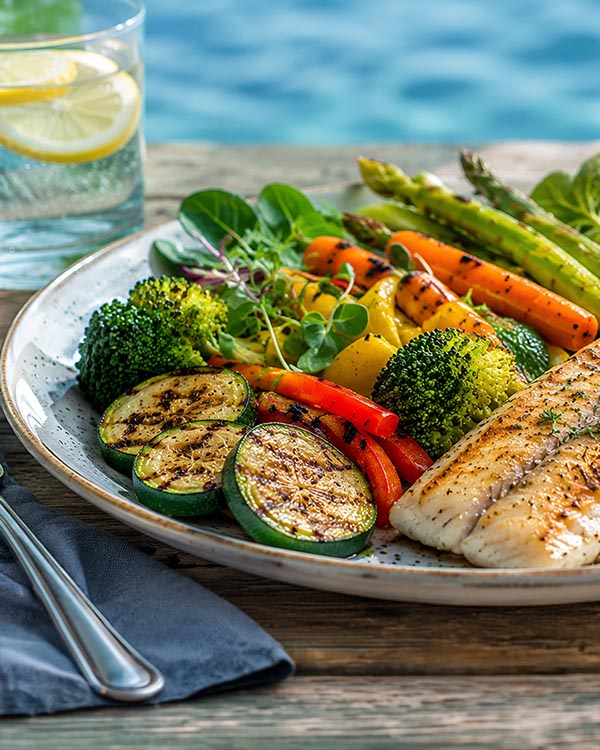
he inflammation diet isn’t a strict, all-or-nothing plan — it’s a shift toward foods that help your body keep inflammation in check, so it’s ready to respond when the “good” kind is actually needed. A few thoughtful tweaks tend to go further than a total overhaul. The Mediterranean way of eating is a great model, and it centers on foods like:
- Olive oil
- Tomatoes
- Nuts, such as walnuts and almonds
- Leafy greens, like spinach and kale
- Fatty fish, such as salmon and mackerel
- Fruit, especially blueberries and oranges
These foods are rich in natural antioxidants, healthy fats, and protective plant compounds — the building blocks your body uses to stay balanced.
Which Foods Should You Limit?
As you’d guess, the foods that tend to fuel inflammation are the ones we already think of as less healthy. Fried and heavily processed foods are common culprits and are worth cutting back on. Others to limit include white bread and pastries, refined carbohydrates, soda and sugary drinks, red and processed meats, and margarine and lard. You don’t have to be perfect here. The goal is steady, realistic change — more of the foods that help, a little less of the ones that don’t.
Do Herbs Help with Inflammation?
Food isn’t the only thing on the menu that can help. A few herbs have a long history of being used to ease inflammation, and you might try ginger, turmeric, devil’s claw (Harpagophytum procumbens), or hyssop, which is often combined with other herbs.
A quick word on supplements
If you’re considering herbal supplements rather than the whole spice or food, check with your provider first so they fit safely with anything else you take. Talk it through with us whenever you’re ready.
Why Diet Is Only Part of the Picture
Here’s the piece I want you to hold onto: food is one part of the inflammation equation, not the whole thing. The patients who see the biggest change are the ones who treat their body as a whole — pairing better meals with movement, quality sleep, stress relief, and hands-on care that keeps everything working the way it should. That’s the approach we take at Zock Family Chiropractic. Chiropractic care focuses on helping your spine and nervous system function at their best, which supports how the rest of your body does its job. When we combine an anti-inflammatory diet with regular care, we’re not just chasing symptoms — we’re supporting the whole person.
“Food is powerful, but it works best alongside everything else. When we look at the whole patient — diet, movement, rest, and care — that’s when people really start to feel the difference.” — Dr. Lauren Helf, DC
Let’s Build Your Plan Together
If inflammation has been slowing you down, you don’t have to sort it out on your own. Schedule a visit with Zock Family Chiropractic and we’ll start with a full evaluation, talk through what you’re feeling, and put together a whole-body plan built around your diet, your habits, and your goals — a drug-free path back to feeling like yourself. New patients are always welcome here in Cranberry Township, and I’d be glad to be part of your care.